
The Relationship Between Exercise and Cardiovascular Health
By Lola Kommineni, March 2026
Introduction:
We have all been told that exercise is a vital part of maintaining your health - by our doctors, parents and random websites on the internet. But have you ever wondered why that is? In this article, we’ll be covering how exercise acts as a protective factor for preventing many characteristics of cardiovascular disease and the science behind this fascinating relationship.
Exercise & Cholesterol
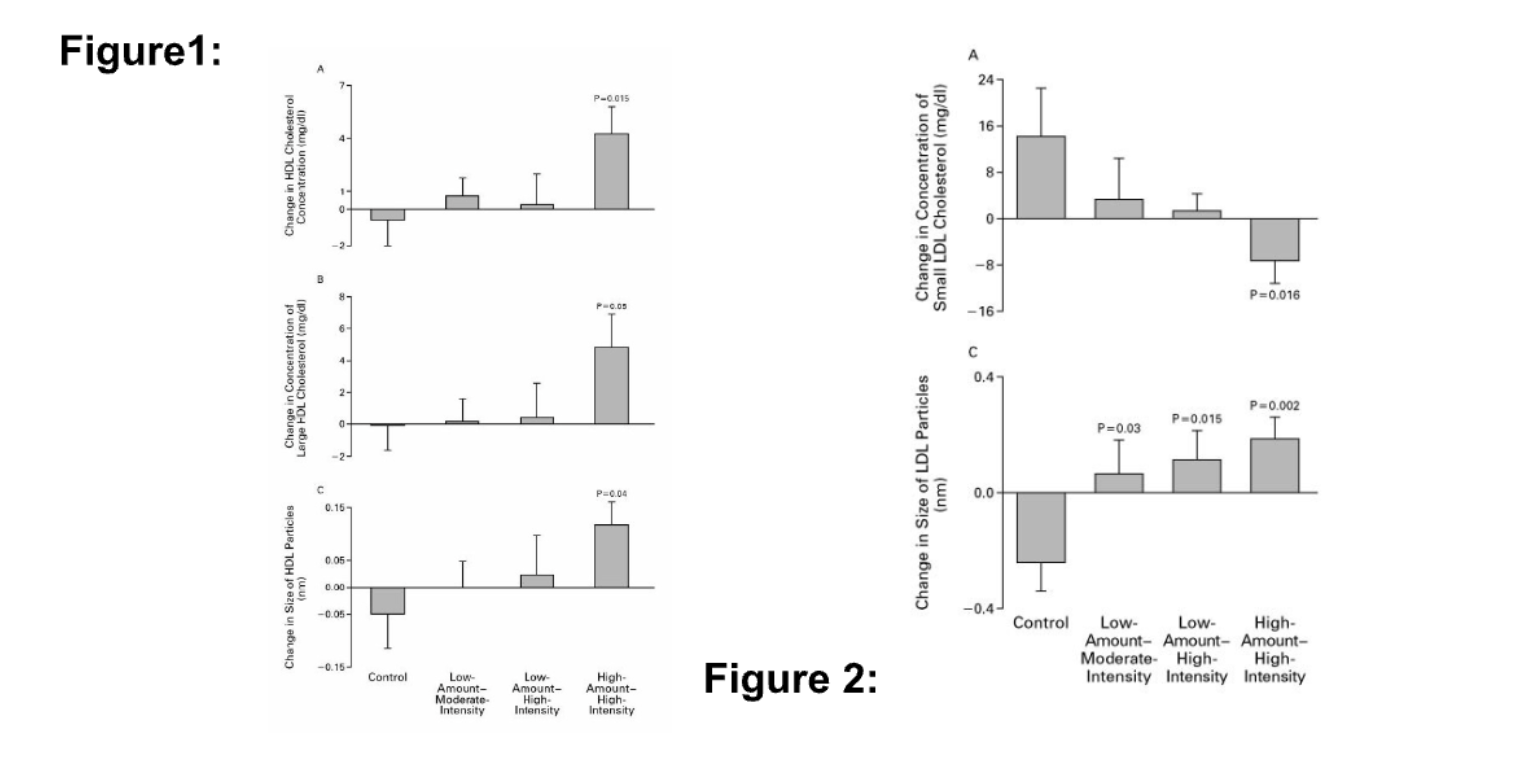
The word Cholesterol has gained a relatively negative connotation, however – not all cholesterol is “bad”. There are 2 main types of cholesterol that are found within the human body: High Density Lipo-protein (HDL) and Low-Density Lipo-protein (LDL). LDL cholesterol lives up to the demonised portrayal of cholesterol that you may be familiar with. This accumulative substance when found within the blood can stick to the walls of blood vessels and harden into plaque, causing the blood vessels in the arteries to become narrower. This characterises a condition known as atherosclerosis. The narrowing of said arteries can reduce and restrict blood flow to the limbs and organs, which can exacerbate and induce cardiovascular disease. If this blockage were to occur within an artery transporting blood to parts of the heart or the brain, it could result in myocardial infarction (heart attack) or a cerebral infarction (stroke) respectively. HDL cholesterol on the other hand is in reality an advantageous substance found in the blood. HDL cholesterol acts as a “scavenger”, aiding the transport of excess cholesterol located in the arteries to the liver for conversion into digestive bile. Digestive bile is a necessary substance which is released into the duodenum (small intestine) and aids in the breakdown of dietary fats through emulsification during food digestion. In many studies, a strong negative linear correlation between exercise and LDL particle concentration has been observed and conversely a strong positive linear correlation between exercise and HDL particle concentration has been found. This relationship is outlined in Figure 1 and Figure 2 below. According to the National Library of Medicine, “Physical activity was found to be usually associated with an increase in HDL cholesterol and a decrease in LDL cholesterol and triglycerides.” Therefore, high intensity and regular exercise is seen to largely decrease the risk of cardiovascular disease and its associated health conditions such as stroke and heart attacks through reducing LDL and increasing HDL cholesterol.
Obesity & Exercise
Obesity is highly prevalent in Australia and has been increasing over the last 20 or so years (Figure 3). Factors that are contributing to this trend can include the ncreased marketing and appeal of highly processed foods, the lack of education and health literacy amongst demographics in certain geographical locations - particularly those that are rural and remote - as well as an increase in sedentary occupations and behaviours that have become increasingly common in the 21 st century. Obesity is widely known and accepted as being a leading risk factor for elevated cardiovascular disease and its associated mortality and morbidity. For example, as seen in figure 4, an increase in obesity rates shows a consequential increase in rates of High Blood Pressure
(hypertension) which is a cardiovascular condition. According to the World Health Organisation, Obesity is “abnormal or excessive fat accumulation that presents a risk to health.” This excess fat is stored as adipose tissue within the body. A higher body weight due to obesity has major implications for the cardiovascular system. A larger body weight demands a higher blood volume to transport nutrients and oxygen to all areas of the body. Consequently, a larger blood volume can place strain on the heart to constantly beat harder and faster to efficiently transport blood across farther distances. Overtime, this can contribute to a multitude of heart conditions such as Hypertension, Arrythmias (irregular beating of the heart) and potential Heart Failure. High intensity and regular exercise is one of the most effective behavioural implementations known to reduce the fat found within adipose tissue. Exercise, through placing your body in a calorie deficit, forces your body to break down the fat within the adipose tissue and convert it into expendable energy instead. Thereby, this in turn decreases obesity and obesity related cardiovascular disease.
Key takeaways:
- There are a variety of beneficial food sources (such as avocado, nuts and
seeds) containing healthy fats which provide HDL cholesterol. This cholesterol
aids in eliminating detrimental cholesterol within blood vessels.
- Limiting the consumption of LDL cholesterol which is often found in highly
processed foods can help prevent plaque build-up within arteries and thus
helping prevent atherosclerosis (a known cardiovascular disease) and
associated conditions such as stroke or heart attacks.
- To fully reap the benefits of exercise, including its ability to reduce the risk of
cardiovascular disease, regular and high intensity exercise such as running or
cycling is recommended as opposed to low intensity exercise such as
walking.
This Article is written by our volunteer student research team at Feel Every Beat, and is intended for educational purposes only. It is not a substitute for professional medical advice.
Acknowledgements:
I’d like to thank my incredible teacher Ms Kristine Stanciu for further fuelling my
passion for health. Your guidance and support mean a lot to me.
References:
- https://www.heartfoundation.org.au/healthy-living/physical-activity/physical-
activity-and-exercise
- https://www.aihw.gov.au/reports/overweight-obesity/overweight-and-
obesity/contents/summary
- https://www.nejm.org/doi/full/10.1056/NEJMoa020194
- https://pmc.ncbi.nlm.nih.gov/articles/PMC3250069/
- https://pmc.ncbi.nlm.nih.gov/articles/PMC11843985/
- https://pmc.ncbi.nlm.nih.gov/articles/PMC3250069/
- https://www.ahajournals.org/doi/full/10.1161/CIRCULATIONAHA.119.044467
- https://www.ahajournals.org/doi/10.1161/CIRCULATIONAHA.122.061173
- https://www.heartfoundation.org.au/your-heart/high-blood-cholesterol
- https://pmc.ncbi.nlm.nih.gov/articles/PMC10003711/
- https://www.healthdirect.gov.au/cholesterol
- https://www.ncbi.nlm.nih.gov/books/NBK539893/
- https://www.healthdirect.gov.au/how-to-reduce-excess-internal-body-fat-
visceral-fat
- https://pmc.ncbi.nlm.nih.gov/articles/PMC4916870/
- https://www.ahajournals.org/doi/10.1161/CIR.0000000000000973
https://www.nejm.org/doi/full/10.1056/NEJMoa020194 - The New England Journal of
Medicine.

Figure 3: Source of Figure 3: https://pmc.ncbi.nlm.nih.gov/articles/PMC3250069/ -
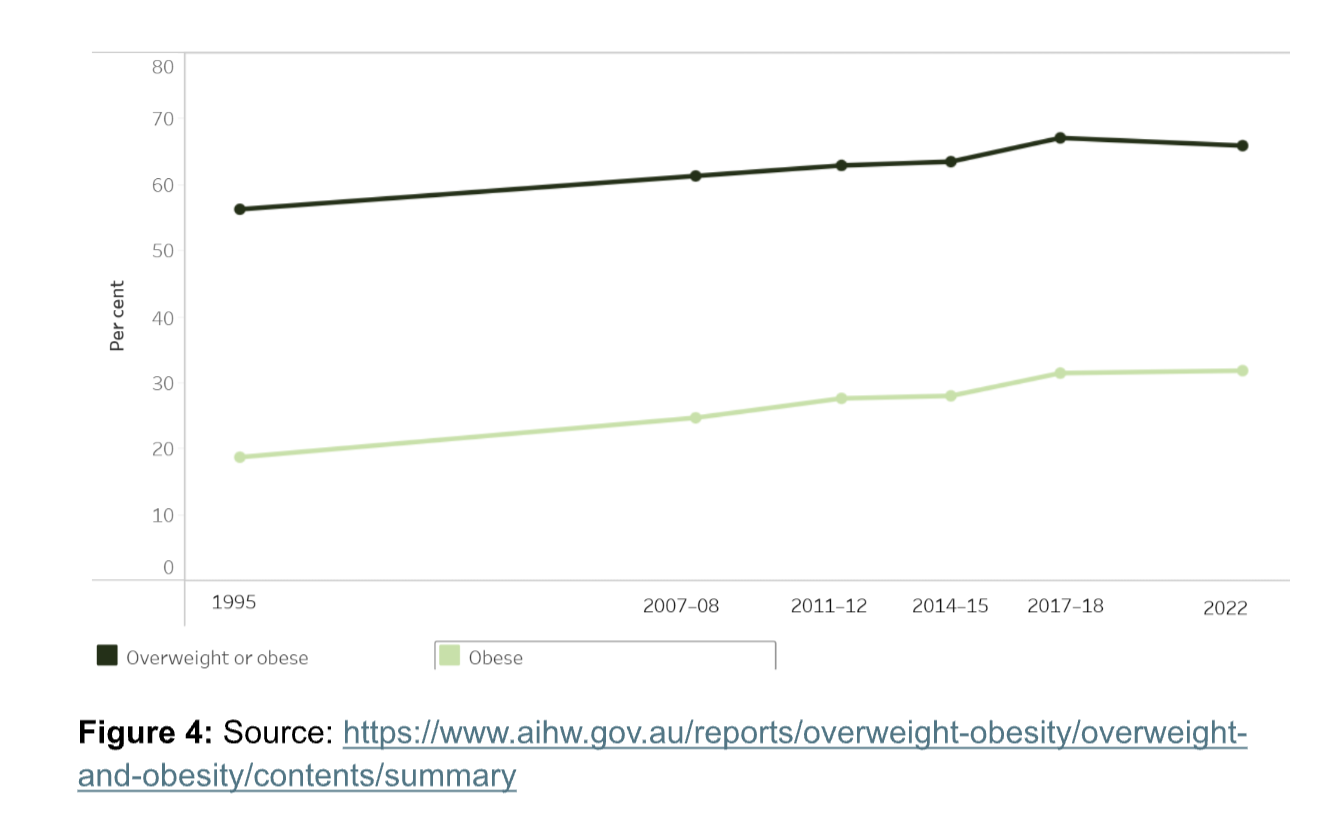
Figure 4: Source: https://www.aihw.gov.au/reports/overweight-obesity/overweight-
and-obesity/contents/summary
